
In a much-needed relief to cash-strapped airlines, this is the second straight monthly reduction in rates and the biggest single cut ever.

Jet fuel or ATF price on Tuesday was hiked by a steep 8.5 per cent - the second increase in a month, while commercial cooking gas rate was cut by Rs 100 per cylinder in line with divergent trends in international benchmarks. Aviation turbine fuel (ATF) price was increased by 7,728.38 per kilolitre, or 8.5 per cent, in the national capital to Rs 98,508.26 per kl, according to a price notification of state-owned fuel retailers. Rates, which vary from state to state depending on the incidence of local sales tax or VAT, have been increased on firming up of global rates that followed four months of decline.

The price reduction will be effective midnight tonight, announced Indian Oil Corp

Total fuel subsidies accounted for less than 1 per cent of GDP and under 3 per cent of total government expenditures in FY14.

The fall in global oil prices has trimmed the losses of state-owned oil companies, but it may not be enough to prevent a Rs 4 per litre increase in diesel prices and a Rs 20-25 per cylinder hike in LPG rates later this month.

If they act now, they can reshape the strategic map of Asia without firing a shot. If they wait, the next opportunity will come only after a serious Taiwan Strait incident -- by which time the price will be far higher, and the room for boldness far smaller -- the opportunity may well be lost by then. The question is no longer whether this can or should be done, points out Varun Arya.

'In the January-August period, the share of hatchback in the overall PV industry sales was about 22.4 per cent. In the September-October period, the share of hatchbacks has come down to 20.4 per cent. In just October, their share was just 20 per cent. This is simple wholesale data from industry body SIAM.'
A week after the steep hike in petrol prices by Rs 5 a litre, the government on Monday said a ministerial panel is likely to meet in the next few days to take a decision on raising diesel, LPG and kerosene rates.

Electric vehicle (EV) manufacturers breathed a sigh of relief after the GST Council on Wednesday night retained the concessional 5 per cent rate on EVs, though they now face competition from small petrol and diesel cars, which will attract a lower 18 per cent levy.
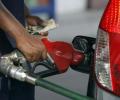
Petrol and diesel prices were hiked for the fourth consecutive day on Saturday by 35 paise per litre, pushing the total increase in rates on petrol to Rs 36 per litre and on diesel to Rs 26.58 since early May 2020 when taxes on the two fuels were raised to record levels. Petrol in Delhi now costs Rs 107.24 a litre and diesel comes for Rs 95.97, according to a price notification of state-owned fuel retailers. The latest increase that follows the unrelenting hike in international oil prices has pushed pump rates across the country to their highest-ever levels.
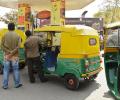
After hike in rates of petrol, diesel and LPG, the prices of CNG and cooking gas piped to household kitchens (PNG) in the national capital were hiked on Thursday by Re 1. CNG price in NCT of Delhi has been increased to Rs 59.01 per kg from Rs 58.01, according to the information posted on the website of Indraprastha Gas Ltd - the firm which retails CNG and piped cooking gas in the national capital. This is the third increase in CNG rates this month, which follows a spike in input (natural gas) prices across the globe.
Prices of both petrol and diesel rose for the first time in over 12 months as oil marketing companies raised rates to make up for rising cost of production. The rupee-dollar exchange rate also played spoilsport. Petrol price was on Monday hiked by 5 paise per litre and diesel by 10 paise a litre.

Reliance Industries Ltd, India's largest buyer of Russian oil and most impacted by the latest US sanctions, on Friday said it will comply with all applicable restrictions and will adjust its refinery operations to meet compliance requirements.

There will be corresponding price revisions on petrol and diesel in other states on account of change in dealer commission
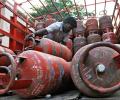
Prime Minister Narendra Modi on Friday announced a Rs 100 per cylinder cut in cooking gas LPG price to ease financial burden on households. Non-subsidised cooking gas price will be cut to Rs 803 per 14.2-kg cylinder in the national capital with effect from midnight of Friday/Saturday, official sources said. Prices vary from state to state depending on the incidence on local taxes.
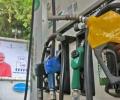
'The question often being asked is whether the demand for petrol and diesel is price inelastic?' asks Arun Balakrishnan, former chairman and managing director, Hindustan Petroleum.
The government's three key allies Samajwadi Party, RJD and DMK along with Left parties and BJP on Friday demanded reduction of diesel and LPG prices in view of the decrease in the cost of international crude by nearly $100 over last few months.
Consumers are having to pay more for transportation as petrol and diesel became costlier by about Rs 1.50 per litre
Petrol price has been cut by Rs 3.05 a litre.

For UK automakers, market access to India will be limited by quantity caps and phased tariff cuts, especially on petrol, diesel and electric vehicles.
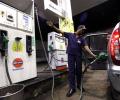
The movement of prices in international oil market and rupee-dollar exchange rate shall continue to be closely monitored
Industrial production is expected to dip marginally in the next 3 months due to rupee gaining strength against the dollar and declining non-food credit, even as petrol and diesel might become cheaper, the Institute of Economic Growth said.
Diesel prices may be hiked by Rs 10 per litre over a 10-month period and kerosene rates increased by same quantum over the next two years if a proposal being mulled in the Oil Ministry is accepted.

Retail rates of the fuel will now reflect international movement in oil prices.

Several carmakers, including car market leader Maruti Suzuki India pulled the plug on diesel models citing higher costs for BSVI variants leaving buyers with limited options.

Reliance Industries Ltd (RIL) on Friday reported a 9.6 per cent year-on-year rise in net profit for the September quarter, driven by strong performance in its consumer-facing retail and telecom businesses and a recovery in its core oil-to-chemicals segment.

In the first reduction in rates in over a year, petrol price on Wednesday was cut by 18 paise per litre and diesel by 17 paise a litre as international oil prices tumbled to the lowest since early February.

Petrol price was cut by Rs 2.43 per litre and diesel by Rs 3.60 a litre, the third reduction in rates this month.

Indian rupee slipping below the record 88 level against the US dollar will enhance price competitiveness of Indian products in global markets and help exporters diversify beyond the US market, say exporters. However, import-dependent sectors such as gems and jewellery, petroleum and electronics may see lower benefits due to a rise in input costs, they stated.
Petroleum Minister Ram Naik hinted on Wednesday that fuel prices may come down further if the international crude prices of Brent fall to around $20-22 per barrel.\n\n\n\n

'Crude oil prices are around $66-67 per barrel now but could fall to $55-60 if global disturbances ease.'

The small sports utility vehicle (SUV) segment - comprising models less than 4 metres in length - could witness the "maximum" growth among all categories in the coming months following the recent goods and services tax (GST) rate rationalisation, Tarun Garg, chief operating officer of Hyundai Motor India (HMIL), said.

Movement of prices in international oil market and rupee-USD exchange rate will be monitored
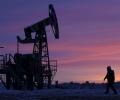
India's annual oil import bill could rise by $9-11 billion if the country is compelled to move away from Russian crude in response to US threats of additional tariffs or penalties on Indian exports, analysts said. India, the world's third-largest oil consumer and importer, has reaped significant benefits by swiftly substituting market-priced oil with discounted Russian crude following Western sanctions on Moscow after its invasion of Ukraine in February 2022.
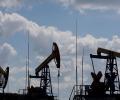
US sanctions against two of Russia's largest oil companies are expected to impact Reliance Industries' crude imports from Russia, while state-run refiners may continue purchases through intermediary traders for now.

The Congress party has accused Union Minister Nitin Gadkari of conflict of interest, alleging his sons' companies have benefited from the government's ethanol blending policy. The BJP has rejected the allegations.

Reliance Industries Ltd has consistently remained compliant with international sanctions and is expected to adhere to upcoming measures on Russian oil, analysts said, estimating that oil sourced from Russia contributes just 2.1 per cent to its consolidated EBITDA. Reliance operates the world's largest single location refining complex, with more than half of the capacity exclusively dedicated for exports.

'Primary buyers are commercial taxi and fleet operators and small businessmen.' 'CNG prices have been remarkably stable unlike petrol.'
For the third time in two months, state-owned oil firms on Thursday slashed prices of petrol and diesel by over a rupee, in step with the global softening of crude prices.
